
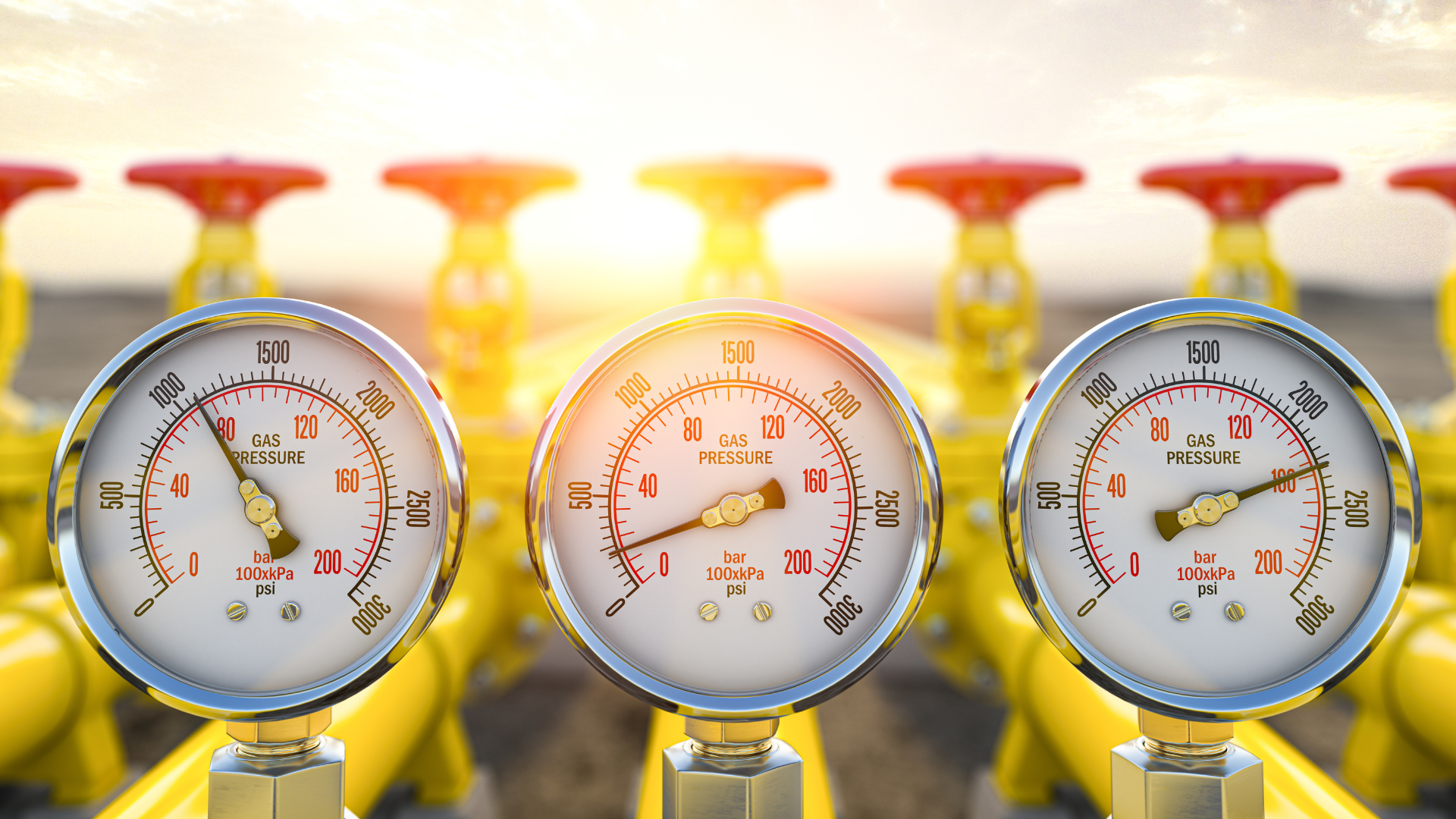
Industrial generators are increasingly using natural gas as their preferred fuel source. With the mounting emphasis on operational efficiency and eco-friendliness, natural gas stands out as a viable and sustainable choice. Here, we dive into why natural gas is the future of industrial generator fuel.
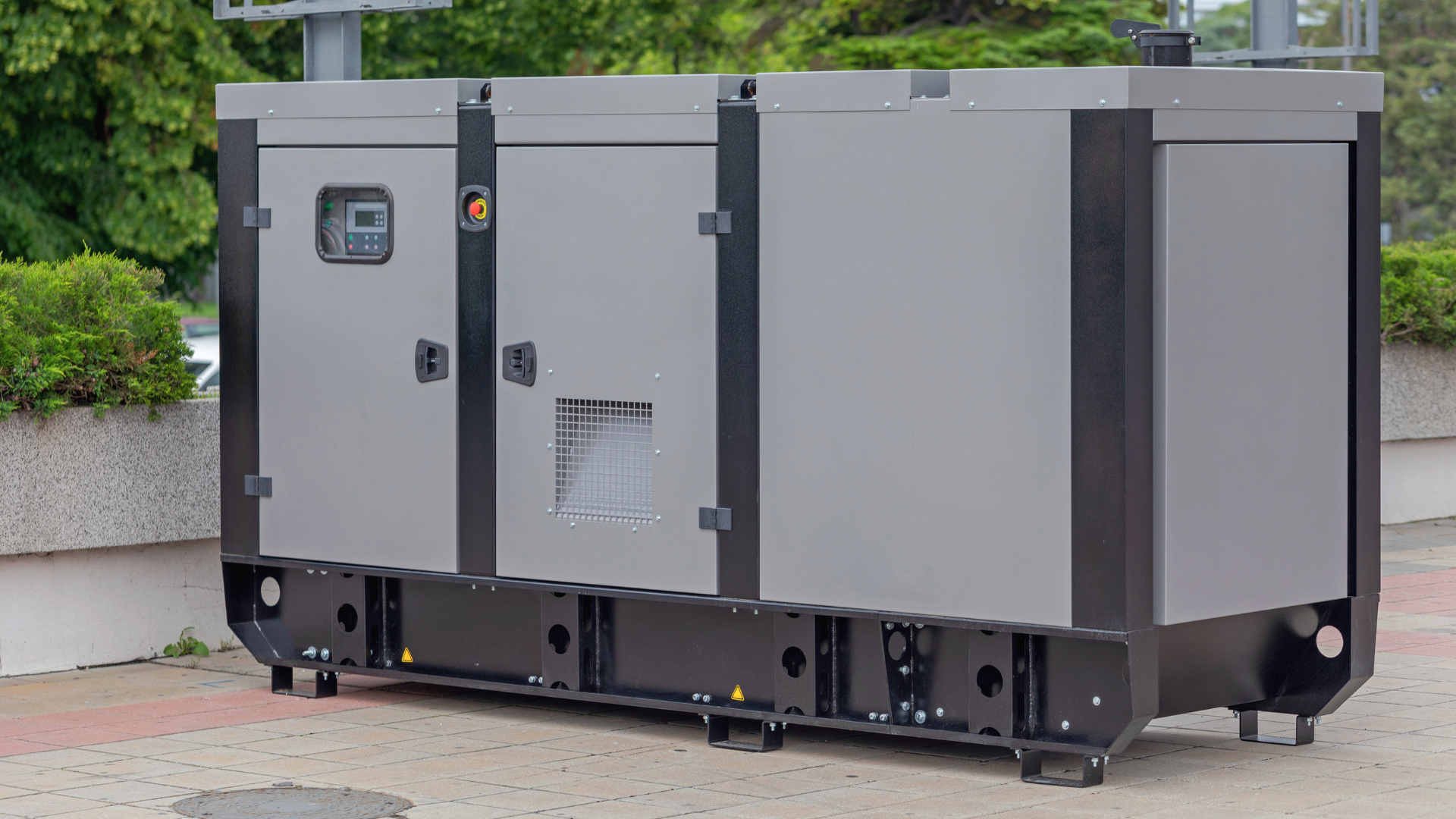
Now more than ever, businesses must find ways to maximize efficiency, minimize costs, and reduce their carbon footprint. One technology that is gaining traction in industrial power generation is cogeneration. Here, we explain what it is, why it's a beneficial addition to industrial generators and the potential impact of adopting cogeneration on the future of power generation.
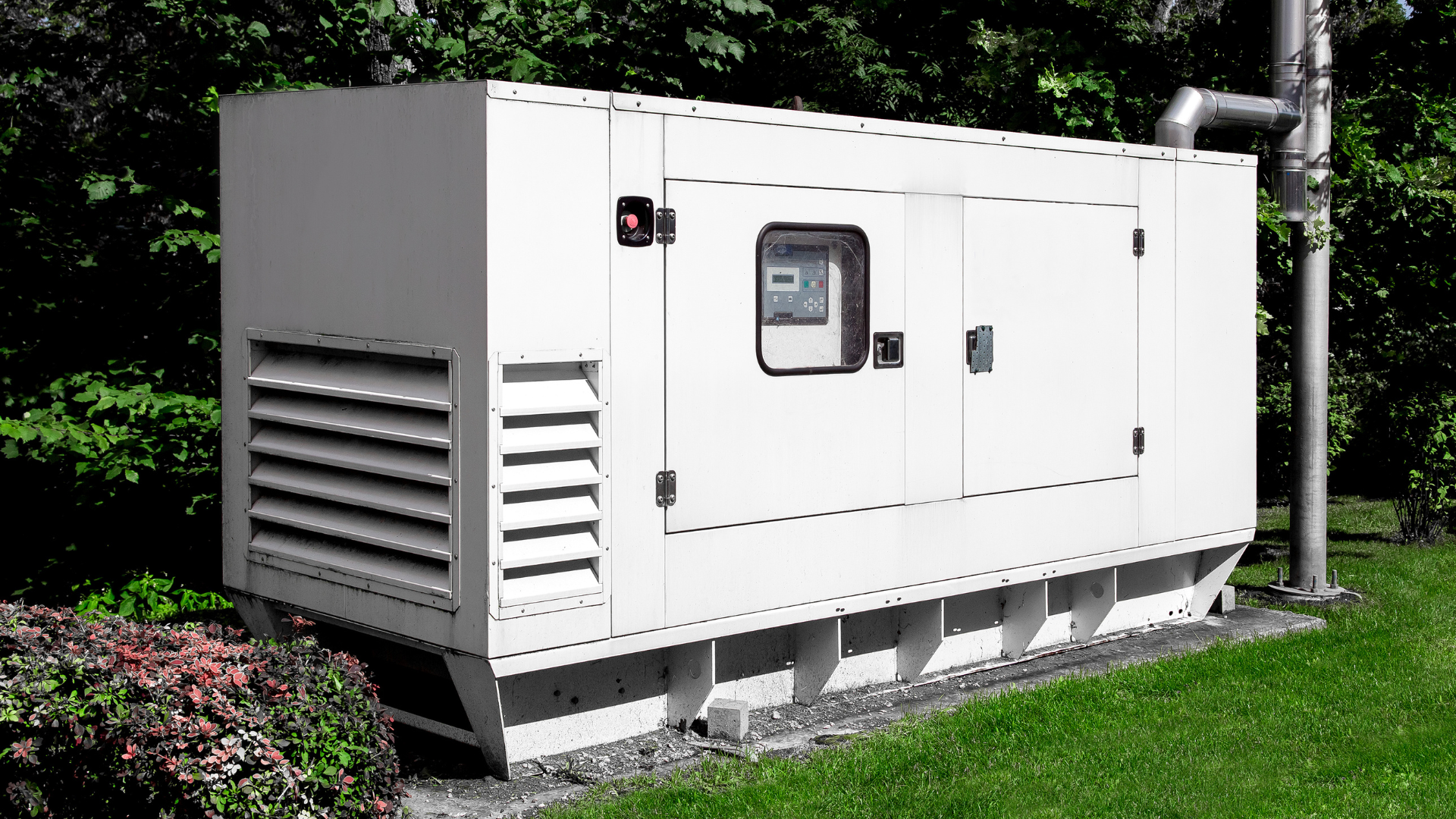
In the world of industrial generators, choosing the right fuel source is critical to ensuring operational efficiency, reliability, and environmental compatibility. In this article, we compare and discuss three primary fuel options: natural gas, diesel, and propane, answering key questions about each one. Check out our handy infographic on different fuel sources at the end of this blog!
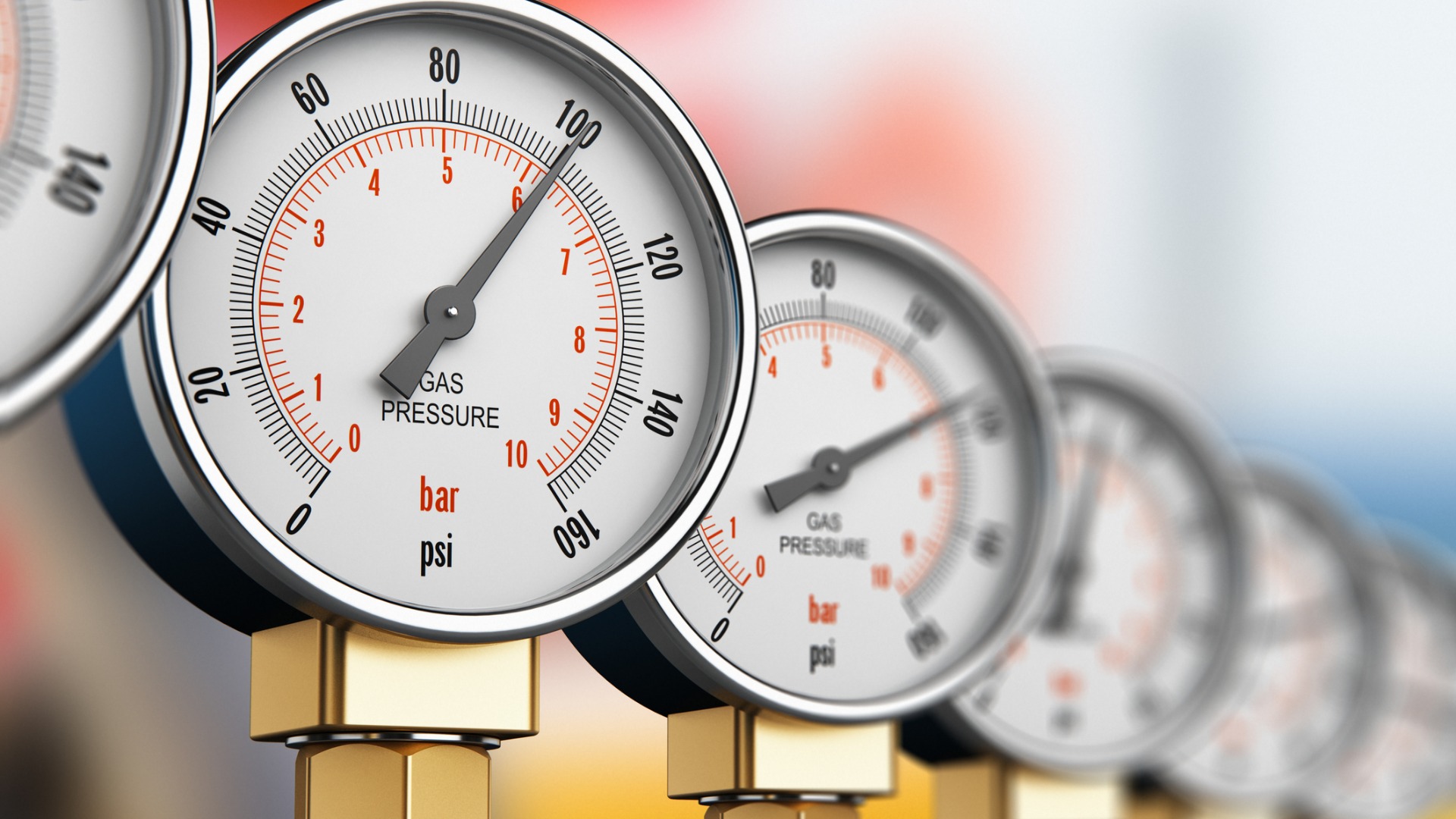
Natural gas is an abundant and clean-burning fuel source that’s becoming increasingly popular in the transportation industry. However, natural gas must first be compressed to make it more practical for use in vehicles. In this blog, we'll explore the importance of compressed natural gas in transportation and its benefits.
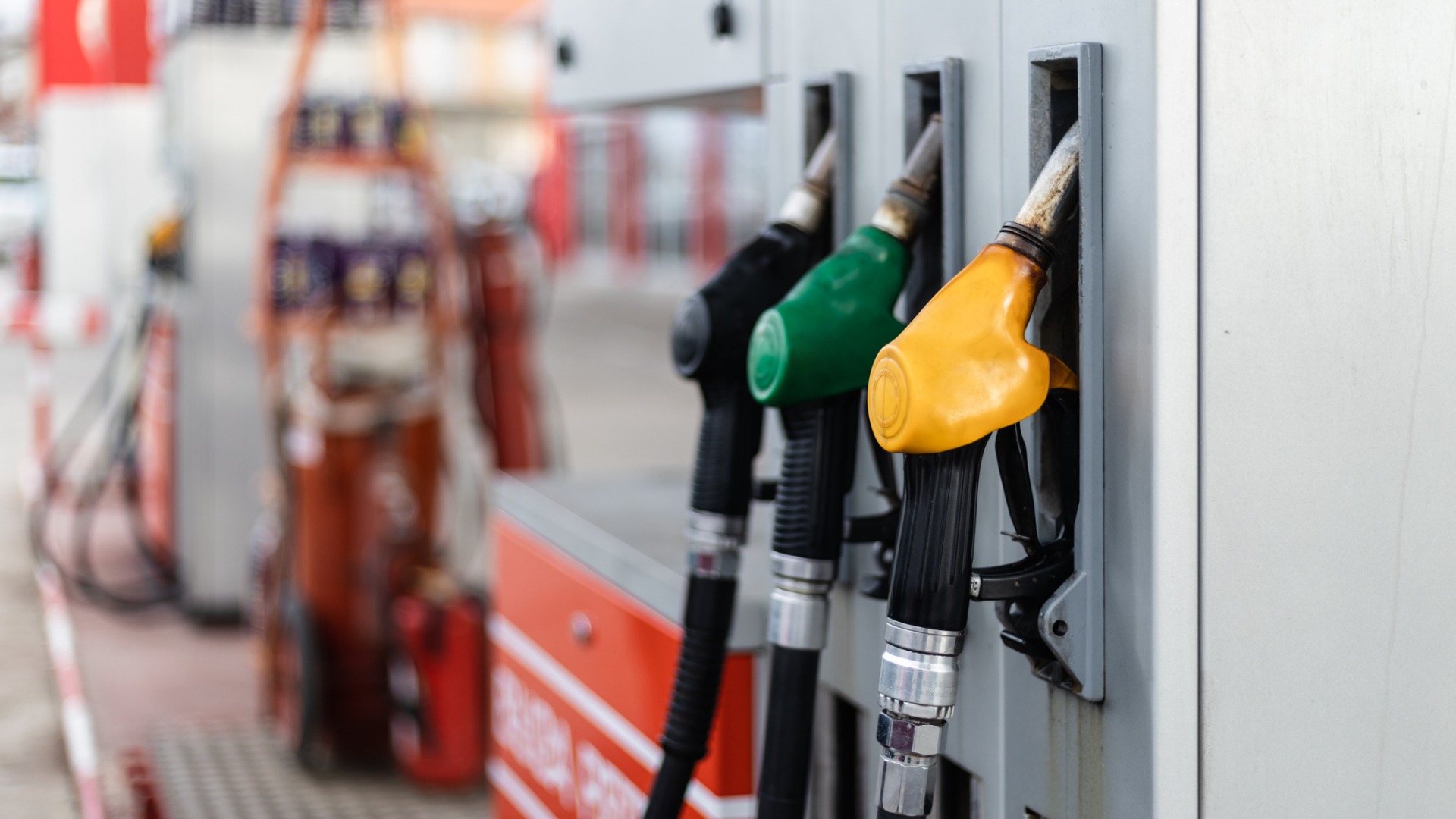
Methane, or natural gas, is a clean-burning fuel that is being more widely adopted due to its lower carbon emissions. This is occurring in sectors like heavy industry, power generation and transportation. In fact, natural gas has several advantages over diesel as a fuel for transportation. Keep reading to find out what they are.
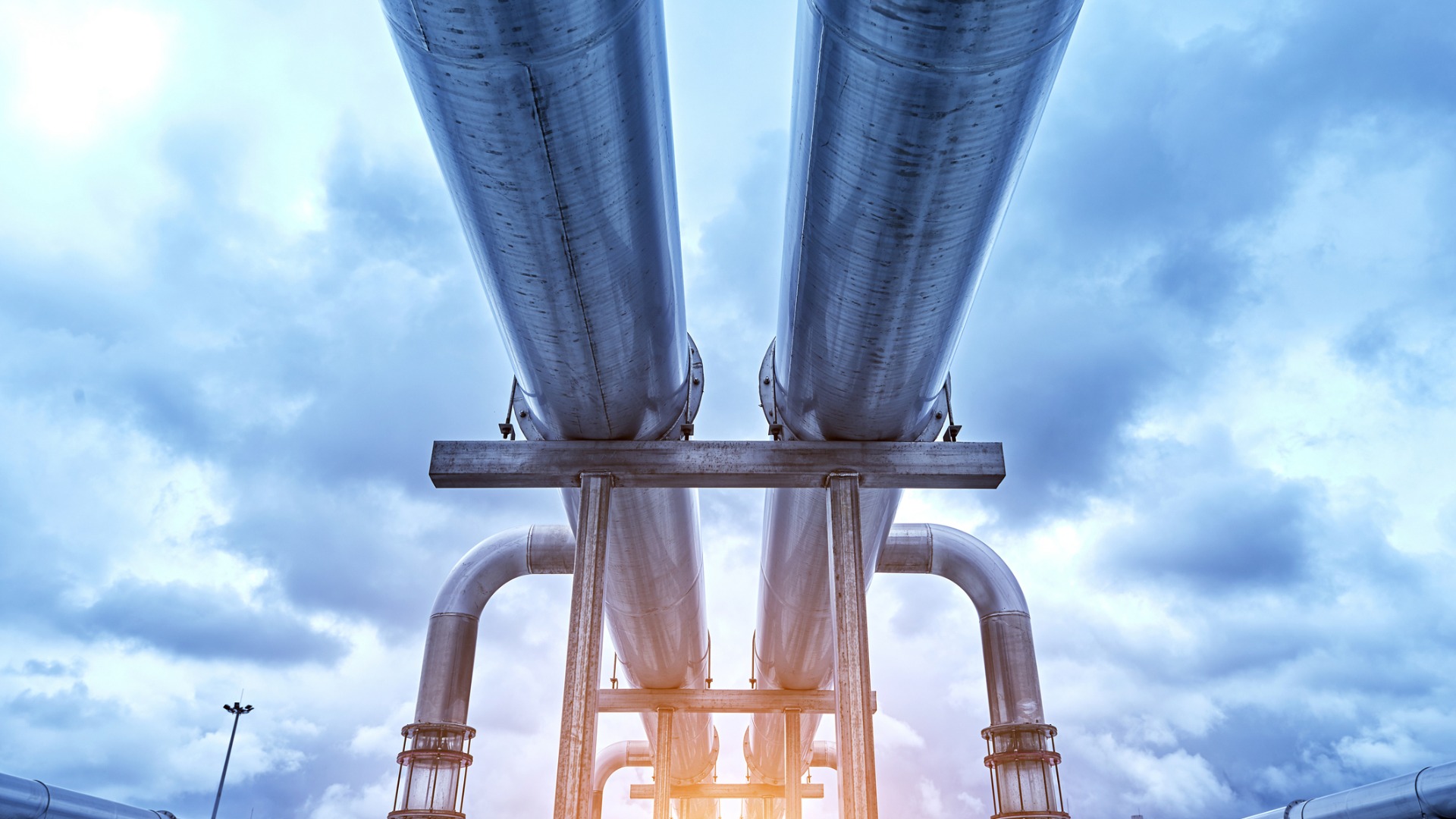
Natural gas is a vital resource for many industries in Canada, and its importance is only set to grow in the coming years. As businesses and governments look for cleaner and more efficient ways to power their operations, natural gas is emerging as a leading contender. But what exactly is natural gas, and how can it be used? In this article, we will answer some of the most frequently asked questions about the future of natural gas in Canada.

When you purchase a generator, you know that the generator itself should have safety certifications. But what about the company supplying you with it? You may not realize that generator suppliers can and should have various safety certifications from national and local organizations. Your certified generator installer is best equipped to properly and of course, safely install your generator. Certified generator mechanics are necessary to maintain, test, and repair your equipment.
So, which certifications should you be looking for when you are choosing a generator supplier? In part, it depends on your locality, but here are some of the best certifications and other information that you need to know to assess your generator supplier.

Industrial operations are reliant on their power supply to continue functioning. So how do you ensure that your power supply will continue to operate properly? Especially your backup generators—which you don't use regularly. Load bank testing is an essential part of the picture and critical to truly understanding how your power supply is performing and how an emergency power supply would perform if called upon. Below, we share several reasons why your industrial generators require load bank testing.
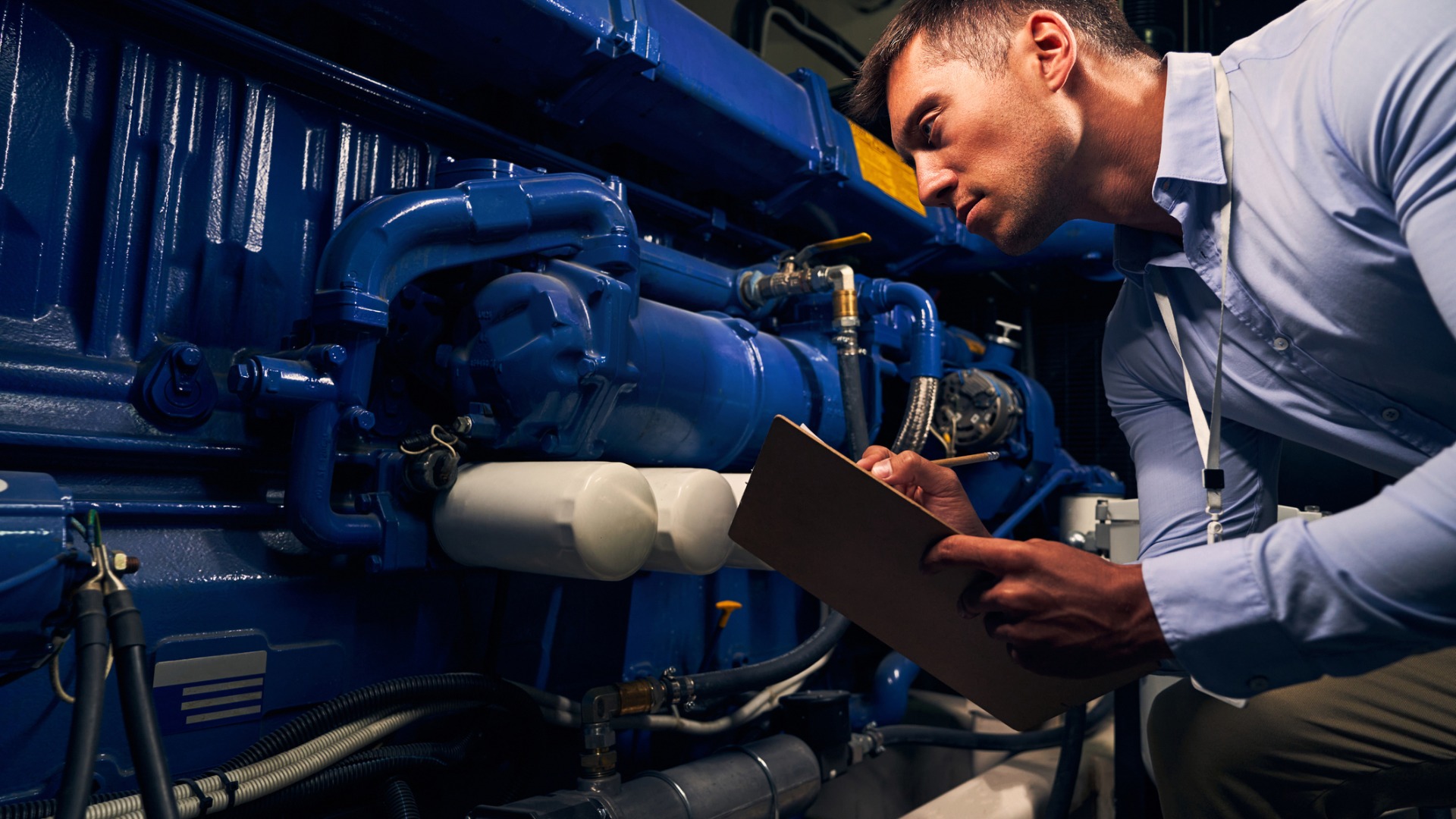
Your generator is not just essential equipment for your operation; it also represents a significant investment. Like anything that is both critical and expensive, you want to ensure that you get the most value out of your power generator, and that means following its maintenance schedule to the letter. Better-maintained generators run smoother for longer and more efficiently too. In addition, you’ll avoid repair and replacement costs. That is, if you can give your specific generator the maintenance it needs.
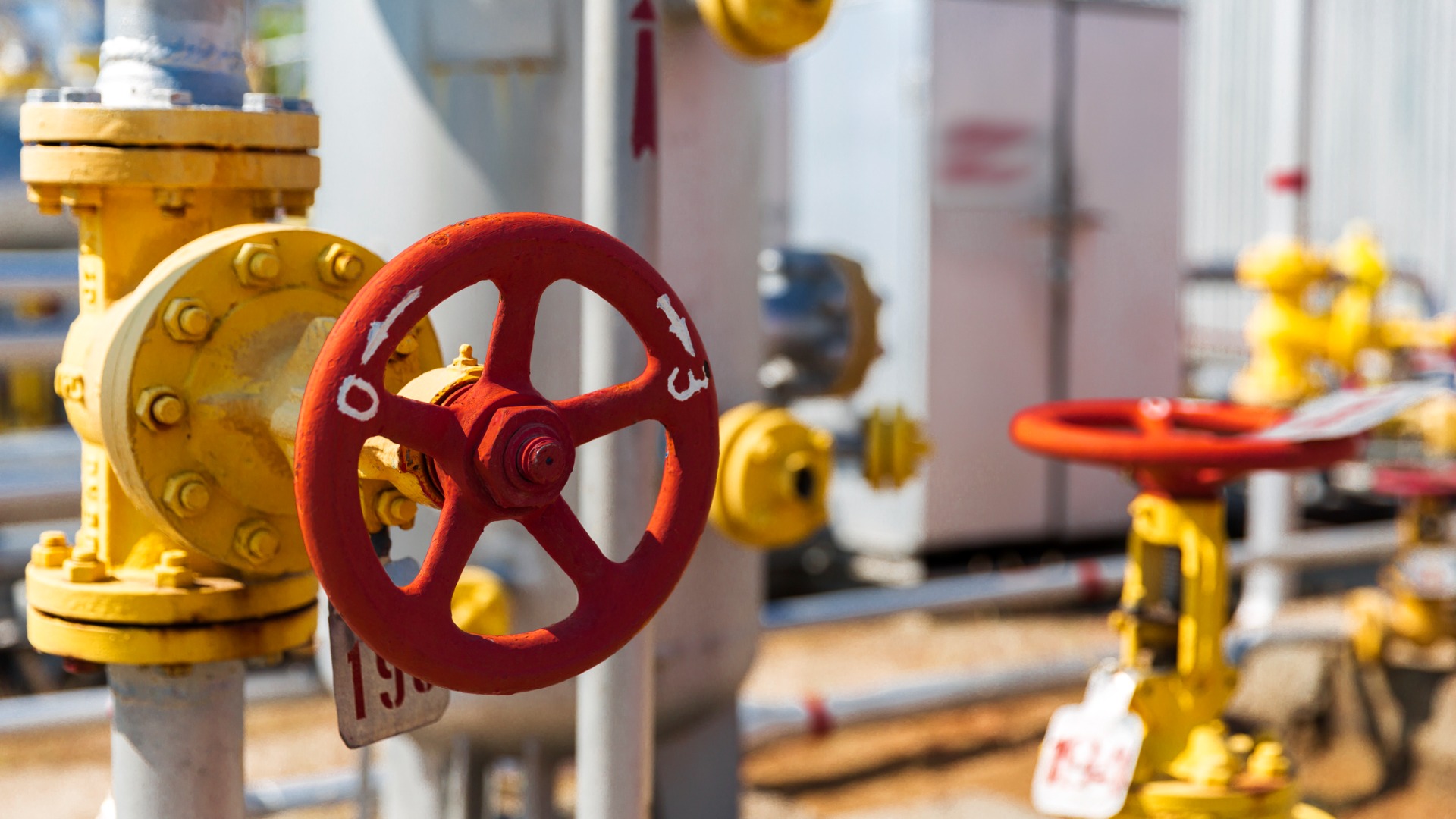
Natural gas arrives to you compressed, that is, stuffed into a space much smaller than it would naturally fill. Natural gas compression is important for many reasons, including safety and ease of transport. But, when it comes to compressing your own gas to fuel your facilities or equipment, the oil and gas industry has two major options: reciprocating compressors and screw compressors.
In this article, we’ll go over why you or your supplier must compress natural gas, the two methods of compression, and why one might be better for your purposes.