
Natural Gas vs Propane Generator Comparison Guide

Industrial sites need reliable backup power to avoid shutdowns during outages. If you're comparing natural gas vs propane generators, it’s good to know both are clean-burning options. However, they differ in supply methods, performance, and costs.
24/7 Compression creates custom generator packages for oil and gas, manufacturing, utilities, and related fields. Systems include in-house control panels, structural fabrication, and complete factory acceptance testing for smooth setup. This guide covers the main differences to support your decision in selecting the best backup power solution for your business.
Fuel Supply and Availability
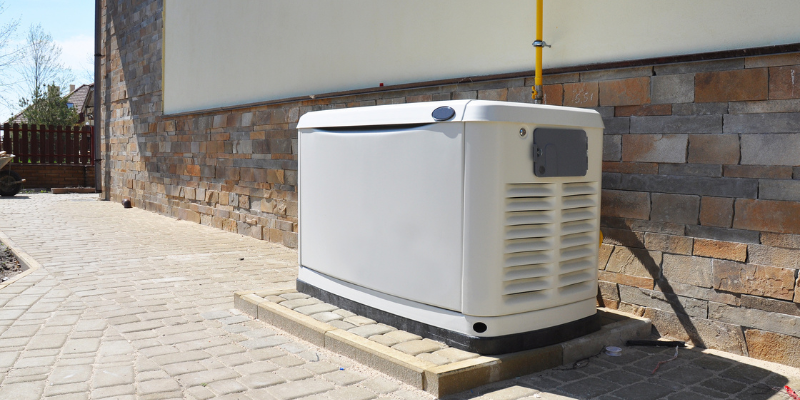
Natural gas arrives via pipelines with constant flow and zero on-site storage. Facilities near utility lines benefit most since refill tasks will disappear. Canadian networks, especially those from Alberta producers, maintain steady delivery even during high-demand periods.
Propane sits in pressurized tanks. Generators can go in remote areas without worrying about pipelines. Tanks store thousands of litres and offer flexibility for temporary or isolated work. Truck deliveries will cover refills, so schedule them carefully to prevent interruptions.
Natural gas fits urban and connected industrial zones best. Propane is best suited for rural locations. It’s important to review local tank placement rules from authorities such as Alberta Municipal Affairs to ensure compliance.
Energy Density and Performance
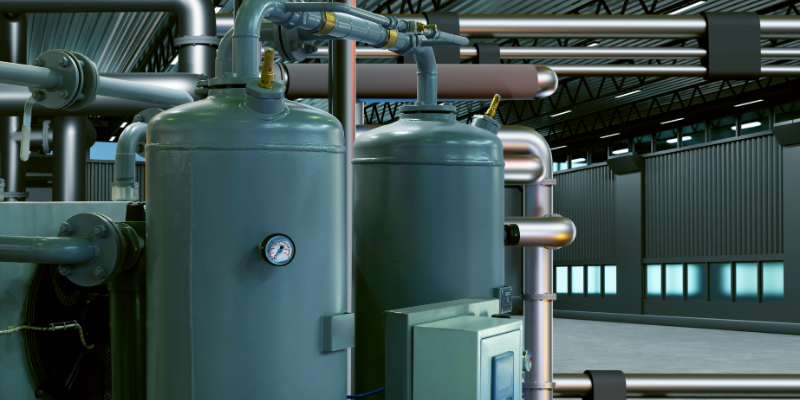
Propane provides more energy per volume. One cubic metre of propane vapour supplies about 93 MJ while natural gas supplies 38 MJ. Higher density supports strong output from compact engines, which suits the heavy loads in processing plants.
Natural gas generators perform well in steady operations with engines adjusted for lower-pressure fuel. They manage load changes effectively because supply remains even. Cold Canadian conditions allow reliable starts without additives. Propane sometimes requires vaporizers to stop freezing.
Both fuels work for prime power and standby. Stored propane fits occasional runs. Natural gas performs strongly in continuous duty, where cogeneration can reach 45% efficiency by reusing waste heat.
Cost Analysis: Acquisition, Operation, and Maintenance
Natural gas generators cost less at purchase because fuel delivery stays simple and tanks stay out of the picture. Pipeline hookups add expense where service does not exist. Operating expenses stay low with Canadian natural gas prices often under $0.50 per cubic metre. Alberta commodity portions range around $3 to $3.30 per GJ in January 2026, which leads to lower delivered rates in many industrial settings thanks to domestic supply.
Propane generators include tanks, so upfront costs rise 20 to 30 percent. Fuel prices vary more and average $0.90 to $1.50 per litre in early 2026. Retail and auto propane sit near $0.99 to $1.26 per litre nationally while bulk and industrial deliveries change by region and quantity. Bulk buying secures better rates. Both require regular engine maintenance. Propane adds tank inspections under CSA B149.2.
Natural gas shows lower total ownership costs for sites with heavy use because of stable pricing and no storage demands. Propane stays competitive for lighter-duty cycles with bulk purchases.
Also take into consideration available incentives such as programs from Natural Resources Canada that support energy efficiency upgrades, emissions reductions, and clean technology projects that may cover generator work or related improvements.
Environmental Impact and Emissions
Both fuels produce fewer particulates and sulphur oxides than diesel. Natural gas releases about 117 pounds of CO2 per MMBtu. Propane releases 139 pounds. Natural gas supports greenhouse gas reduction targets more closely. Propane qualifies for credits under Canada's Clean Fuel Regulations because of lower carbon intensity. Industrial environments benefit from quieter operation than other fuels, which helps meet health standards.
Select according to your site's emission requirements. Natural gas matches net-zero plans in areas with pipeline access and propane supports off-grid operations.
Maintenance Requirements and Reliability
Natural gas generators require less attention because pipeline supply reduces fuel issues. Engines operate cooler, which extends part life. Service intervals typically fall every 500 to 1,000 hours. Fewer fuel system components improve dependability.
Propane systems need routine tank pressure and valve checks to avoid leaks. Conversion kits enable fuel switches for added options. Proper care delivers over 95 percent uptime for both. Propane fuel stores indefinitely and improves emergency readiness.
Installation Considerations for Industrial Sites
Natural gas installation connects to existing lines with permits from utilities such as Enbridge. Site work includes safety zones for high-pressure lines.
Propane installation needs tank foundations, vapour lines, and containment to satisfy fire codes.The tank-based approach provides greater flexibility for placement and setup, especially on sites without existing pipeline access. This often allows the complete deployment to finish in weeks, compared to natural gas installations that can face longer delays due to utility coordination and pipeline tie-ins.
Evaluate your facility layout. Natural gas works for fixed installations. Propane accommodates modular growth. At 24/7 Compression our CWB-certified team manages fabrication for both.
Comparison Table: Natural Gas vs Propane Generators
|
Aspect |
Natural Gas Generators |
Propane Generators |
|
Fuel Supply |
Pipeline delivery, no storage |
Tank storage, truck refills |
|
Energy Density |
~38 MJ per cubic metre
|
~93 MJ per cubic metre |
|
Cost per Unit |
Lower, often <$0.50/m³ (commodity ~$3–$3.30/GJ equiv.) |
Higher, ~$0.90–$1.50/L (early 2026) |
|
Emissions |
Lower CO2 (117 lbs/MMBtu) |
Slightly higher (139 lbs/MMBtu) |
|
Maintenance |
Less frequent, cooler operation |
Tank inspections required |
|
Best For |
Continuous, pipeline-access sites |
Remote, intermittent use |
Common Questions on Natural Gas vs Propane Generators
Which fuel performs better in cold weather?
Natural gas starts without difficulty in sub-zero temperatures. Propane can require heaters for vaporization during extreme cold.
How do storage requirements compare?
Natural gas uses no on-site tanks and depends on pipelines. Propane needs secure vessels but fuel remains stable indefinitely.
Is fuel conversion possible?
Many generators accept conversion kits for dual-fuel operation. Qualified technicians should handle modifications.
Which option reduces costs for prime power over time?
Natural gas generally lowers expenses for high-runtime applications through consistent pricing and efficiency.
Next Steps: Secure Reliable Industrial Power
When considering natural gas vs propane generators, think about uptime, overall costs, and compliance. 24/7 Compression builds custom packages tailored for oil and gas, manufacturing, and utility sites, complete with in-house control systems, structural fabrication, and thorough factory acceptance testing to ensure everything integrates reliably.
Contact our team today for a site-specific assessment, custom quotation and to learn more about our full range of services.