
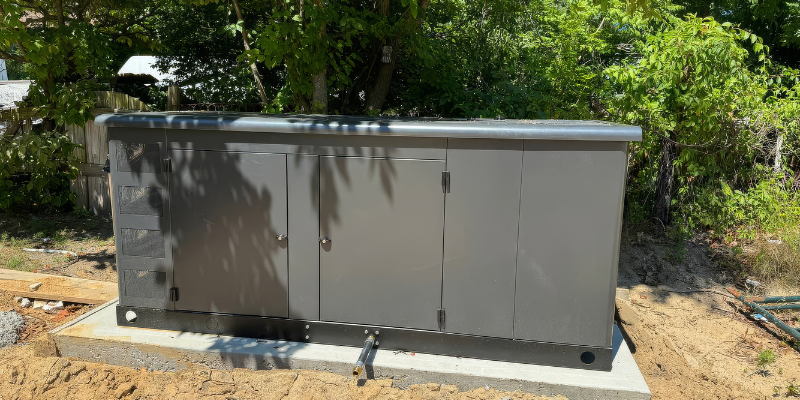
Remote industrial sites such as oilfield camps, mining operations, construction projects, infrastructure builds, and off-grid facilities often lack pipeline access or grid reliability. Rural propane power generation fills this gap with dependable, clean-burning generators that run on stored fuel delivered by truck.
Propane suits these applications because tanks enable placement anywhere without utility ties. At 24/7 Compression, we specialize in custom generator packages for oil and gas, utilities, manufacturing, and remote projects across Alberta and Western Canada. Our systems support natural gas, diesel, and propane fuels with in-house control panels, CWB-certified structural fabrication, electrical assembly, and full factory acceptance testing for quick on-site startup and minimal maintenance.
This guide examines why propane works well for rural power needs, key advantages, setup steps, cost factors, and compliance tips to help you select the right solution.
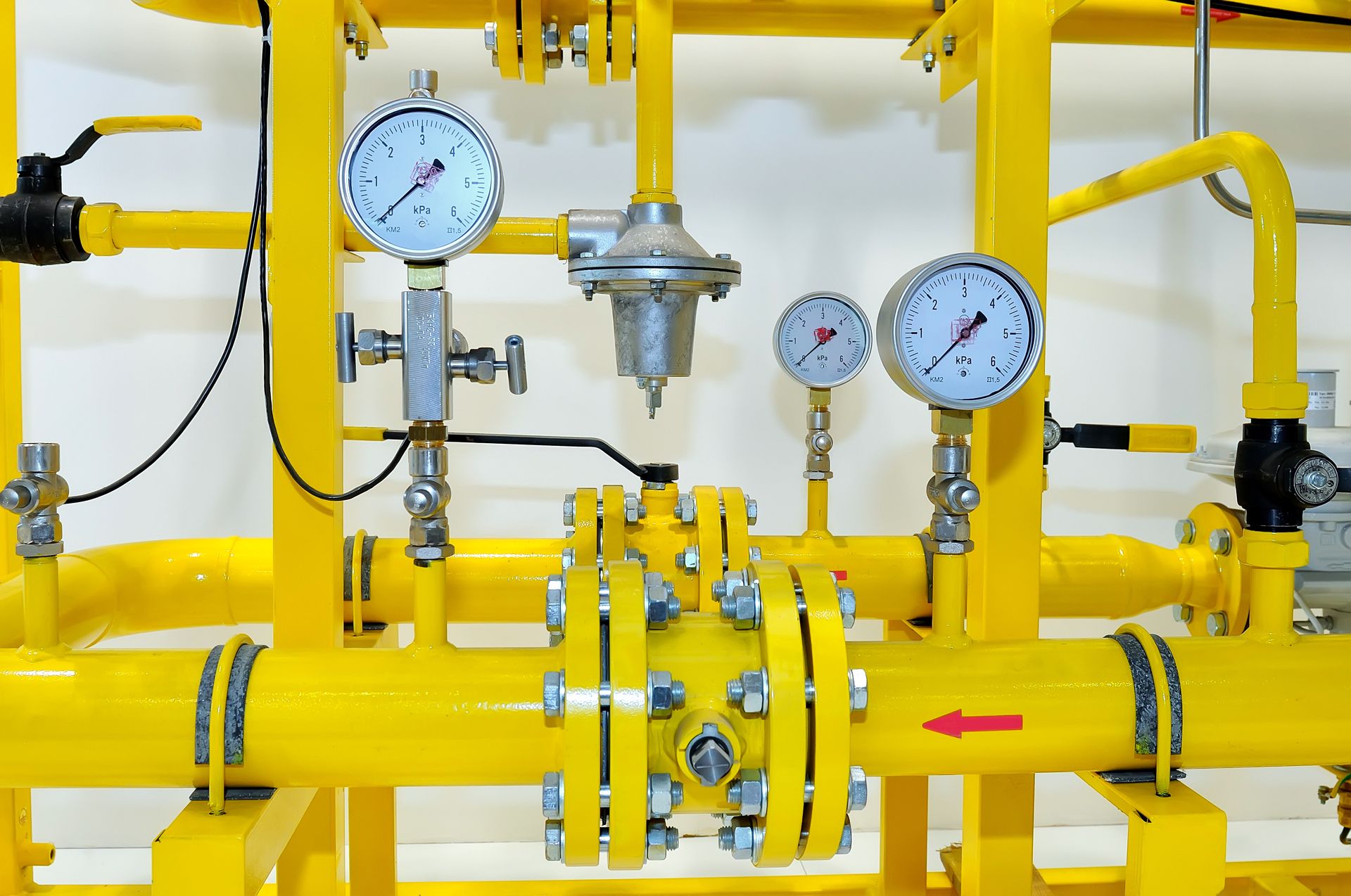
When it comes to the natural gas compression industry, there are always a series of obstacles to overcome. One major obstacle is how to balance cost and effectiveness in the overall design, functionality, and operation of your compression equipment. Here we discuss what to consider for compressor selection.

Industrial sites need reliable backup power to avoid shutdowns during outages. If you're comparing natural gas vs propane generators, it’s good to know both are clean-burning options. However, they differ in supply methods, performance, and costs.
24/7 Compression creates custom generator packages for oil and gas, manufacturing, utilities, and related fields. Systems include in-house control panels, structural fabrication, and complete factory acceptance testing for smooth setup. This guide covers the main differences to support your decision in selecting the best backup power solution for your business.

An industrial generator is a must-have for any factory, hospital, school, or corporate organization that intends to operate without interruption. The need for constant standby power in some industries cannot be ignored because it promotes a sense of safety and security, which can, in turn, boost work efficiency, cost efficiency, and productivity. That said, in which cases is it wisest to rent vs buy an industrial generator?
In the following sections, we provide a thorough breakdown of industrial generators, the various individual benefits of generator rentals and purchases, and finally, when to rent or when to buy an industrial generator.
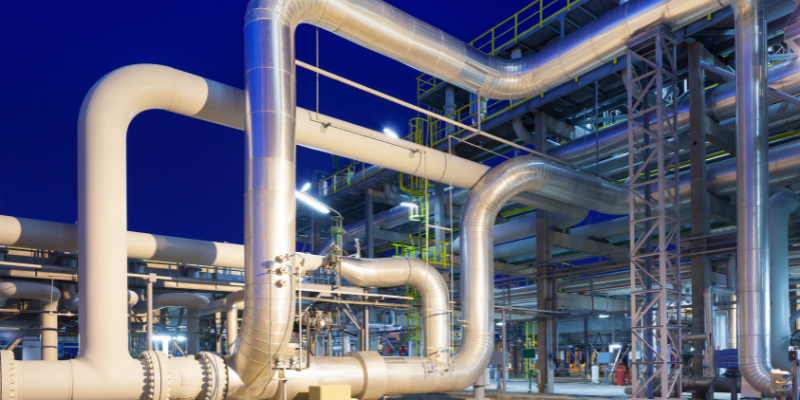
Vent Gas Capture Systems (VGCS) convert routine vent streams into useful gas while maintaining zero or near-zero backpressure at the source. The result is measurable emissions reduction, cleaner reporting, and improved site efficiency without disrupting existing equipment.

Vent Gas Capture Systems (VGCS) are a powerful tool in reducing methane emissions in natural gas operations. In Canada, where emissions regulations are tightening and taxes are on the rise, the demand for VGCS in industrial environments is growing steadily.
If you're managing an upstream or midstream facility and searching for practical ways to reduce vented methane, improve ESG performance, or meet regulations like Canada's federal methane reduction rules, this guide is for you.
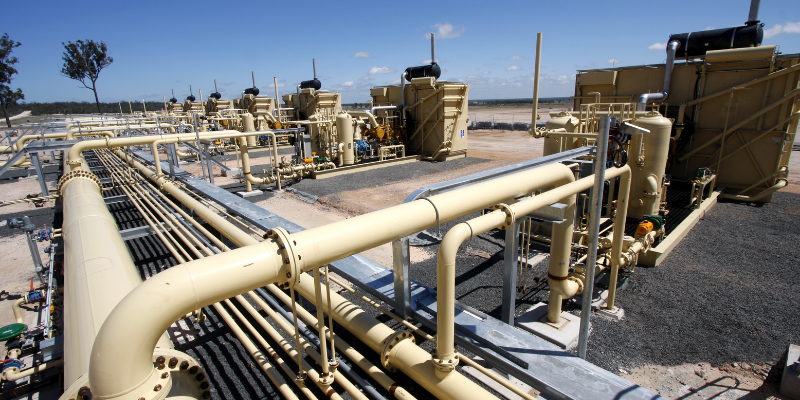
The oil and gas industry continues to feel increasing pressure to reduce greenhouse gas (GHG) emissions, with methane mitigation emerging as a top priority. Methane, a potent GHG with a global warming potential (GWP) approximately 25 times greater than carbon dioxide, is frequently released during production, compression, and storage activities.
Vent Gas Capture Systems (VGCS) have become a reliable, field-proven solution to address routine venting and recover valuable hydrocarbons. This article provides a detailed, engineering-focused overview of vent gas capture technology, its applications, system advantages, and considerations for implementation.

In Canada’s natural gas sector, compressors aid in gathering, processing, and transmission. As operators aim to improve efficiency and reduce emissions, some have considered retrofitting older compressors with sliding valve mechanisms. While common in some compressors, slide valves are not standard in all installations, raising the question: can they be retrofitted?
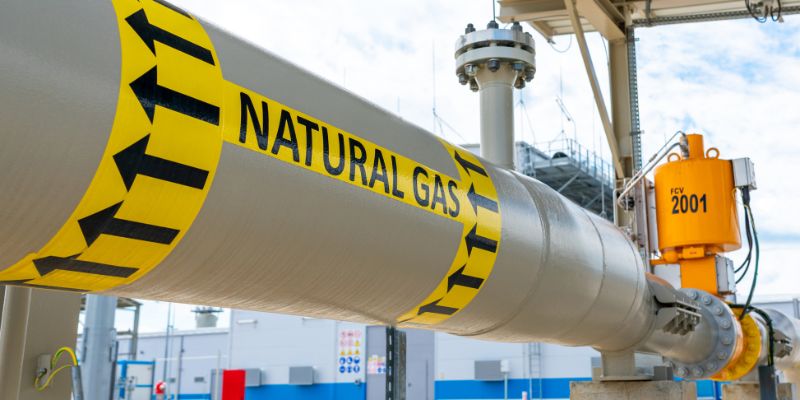
Natural gas compression systems often face widely varying pressures and flow rates. Sliding valve compressors are engineered to adapt with adjustable internal valves that modulate capacity in real time. This precise control allows them to maintain high efficiency even as operating conditions change.
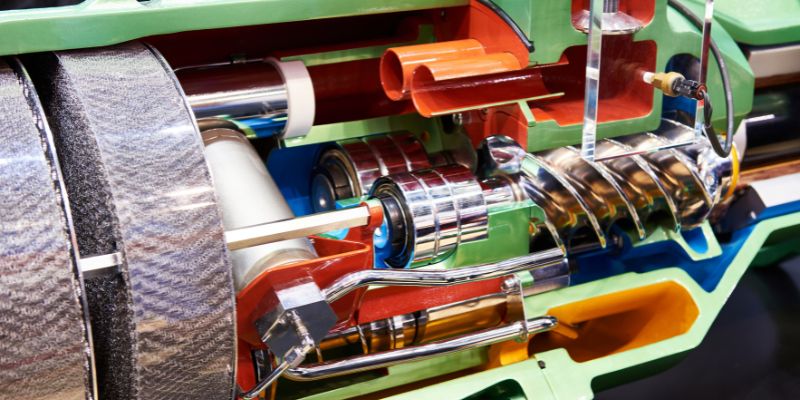
Two of the most commonly used natural gas compressor types are sliding valve compressors and screw compressors. Sliding valve compressors offer precise capacity control and maintain efficiency under variable loads, while screw compressors are recognized for being simpler and highly reliable. This guide will provide an analysis of sliding valve technology and its applications in natural gas compression, with a concise comparison to screw compressors. By conveying the strengths and limitations of each system, we aim to help industry professionals make informed decisions for their unique operations.