
Reliable Off-Grid Power: Propane Generators for Rural Industrial Sites
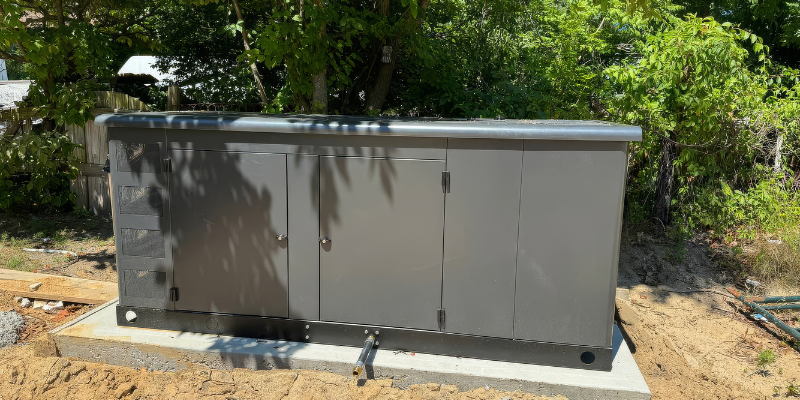
Remote industrial sites such as oilfield camps, mining operations, construction projects, infrastructure builds, and off-grid facilities often lack pipeline access or grid reliability. Rural propane power generation fills this gap with dependable, clean-burning generators that run on stored fuel delivered by truck.
Propane suits these applications because tanks enable placement anywhere without utility ties. At 24/7 Compression, we specialize in custom generator packages for oil and gas, utilities, manufacturing, and remote projects across Alberta and Western Canada. Our systems support natural gas, diesel, and propane fuels with in-house control panels, CWB-certified structural fabrication, electrical assembly, and full factory acceptance testing for quick on-site startup and minimal maintenance.
This guide examines why propane works well for rural power needs, key advantages, setup steps, cost factors, and compliance tips to help you select the right solution.
Why Propane for Rural and Remote Industrial Power
Propane generators provide prime or standby power where natural gas pipelines end. Fuel stores indefinitely in tanks without degradation, so sites stay prepared for extended runs or emergencies. Propane burns cleaner than diesel, producing fewer particulates and sulphur oxides, which helps meet environmental standards on remote job sites.
In Alberta's rural areas, propane delivery networks reach isolated locations efficiently. Suppliers truck fuel to large tanks (often 500 to 2000 gallons or more for industrial use), supporting continuous operation without frequent refills. This setup excels for temporary infrastructure projects, exploration sites, or permanent off-grid facilities where grid extension costs prove prohibitive.
Compared to natural gas (limited to pipeline zones) or diesel (higher emissions and storage issues), propane offers a balance of reliability, lower emissions, and deployment speed.
Key Benefits of Propane Generators in Remote Settings
- Independence from infrastructure: No pipeline required. Tanks allow flexible generator placement on rough terrain or temporary pads.
- Cold-weather reliability: Propane vaporizes effectively in Alberta winters with proper regulators or heaters, ensuring consistent starts and performance.
- Clean operation: Lower CO2 emissions (around 139 pounds per MMBtu) and near-zero particulates make it suitable for environmentally sensitive remote areas.
- Fuel stability and storage: Propane lasts indefinitely in sealed tanks, ideal for seasonal or intermittent use on rural sites.
- Scalability: Systems parallel for multi-megawatt needs or hybrid setups with solar or wind for reduced fuel consumption.
- Quick deployment: Tank-based installs complete faster than pipeline tie-ins, often in weeks with pre-tested packages.
Industrial users in oil and gas or mining report high uptime (over 95 percent with proper care) and easier logistics than diesel refueling in remote spots.
Setup and Installation for Rural Propane Power
Rural propane generator installation starts with site assessment for power load, runtime needs, and environmental factors. Key steps include:
- Determine generator size (kW/kVA) based on equipment demands. Use prime power for continuous use or standby for backup.
- Select tank capacity. Larger bulk tanks (for example, 1000+ gallons) minimize refills on remote sites.
- Prepare foundation and containment for tanks to meet fire codes.
- Install vapor lines, regulators, and safety valves.
- Integrate control systems for remote monitoring via Ethernet or cellular.
- Conduct on-site startup and testing.
Our packages at 24/7 Compression arrive pre-assembled and FAT-tested, reducing field time to one-day startups in many cases. This approach suits Alberta's remote conditions, where weather and access add challenges.
Regulatory Considerations in Alberta
Alberta regulates propane storage and handling through Municipal Affairs and the Safety Codes Council. Rural industrial sites must comply with the National Fire Code – Alberta Edition and CSA B149.2 for propane installation and maintenance.
Key rules include:
- Tank setbacks from buildings, ignition sources, and property lines.
- Secondary containment for spill prevention.
- Pressure relief valves and overfill protection.
- Periodic inspections by certified technicians.
Transportation follows federal TDG Regulations for bulk deliveries. For remote sites, consult Alberta Municipal Affairs or local authorities early to avoid delays. Our team navigates these requirements during design and fabrication.
Cost Factors for Rural Propane Power Generation
Upfront costs include the generator, tank(s), installation, and foundation work. Propane systems often run 20 to 30 percent higher initially than natural gas due to storage needs but avoid pipeline extension expenses (which can reach hundreds of thousands for remote tie-ins).
Fuel averages $0.90 to $1.50 per litre in early 2026 (bulk rates lower for high-volume rural contracts). Larger tanks and bulk buying lock in prices and cut delivery frequency.
Long-term, propane proves economical for intermittent or medium-duty cycles. Maintenance focuses on engine service (every 500 to 1000 hours) plus annual tank checks. Incentives through Natural Resources Canada programs may apply for energy-efficient or low-emission setups. Check current eligibility.
H2: Comparison: Propane vs Alternatives for Remote Sites
|
Aspect |
Propane Generators |
Natural Gas Generators |
Diesel Generators |
|
Fuel Access |
Truck delivery, tanks anywhere |
Pipeline only |
Truck delivery, on-site tanks |
|
Storage |
Indefinite, no degradation |
None needed |
Limited shelf life |
|
Emissions |
Low particulates, moderate CO2 |
Lowest CO2 |
Higher particulates and NOx |
|
Cold Performance |
Good with vaporizers |
Excellent |
Requires additives in extreme cold |
|
Deployment Speed |
Weeks, flexible |
Longer if pipeline work needed |
Fast, but more refills |
|
Best For Rural/Remote |
High – off-grid flexibility |
Low – pipeline dependent |
Medium – emissions concerns |
Common Questions on Rural Propane Power
How reliable is propane in Alberta winters?
Propane starts reliably with vaporizers or tank heaters. It outperforms gasoline in cold and avoids diesel gelling issues.
What tank size suits industrial remote sites?
1000 to 2000+ gallons common for extended runtime. Calculate based on load and refill schedule.
Can propane integrate with renewables?
Yes. Hybrid systems with solar or wind reduce fuel use on off-grid sites.
Is maintenance higher than diesel?
Comparable engine service. Add tank inspections, but cleaner burn extends component life.
Next Steps: Power Your Remote Site with Confidence
Rural propane power generation delivers independence, reliability, and compliance for Alberta's remote industrial projects. 24/7 Compression designs and builds custom propane generator packages with full testing and support for quick, trouble-free operation.
Contact us for a site-specific assessment and quote: Get in touch.